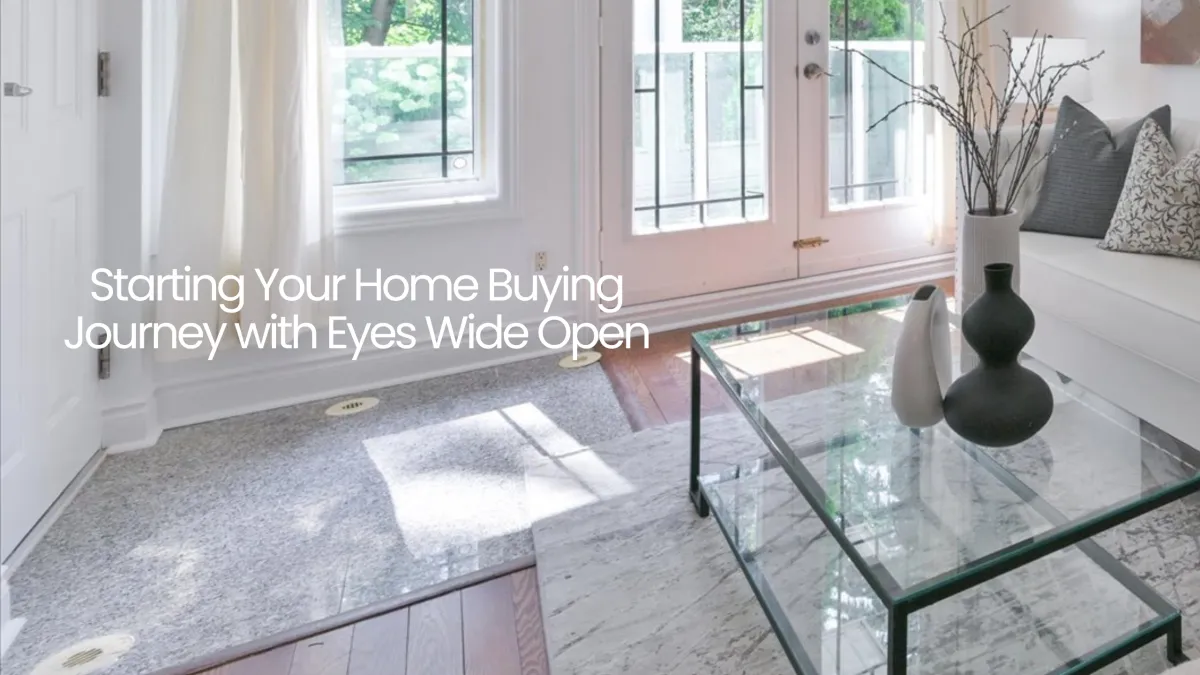
Untold Truth About Down Payments & Hidden Costs in Toronto Real Estate
Embarking on the quest to purchase your first home or condo in Toronto brings with it an excitement unlike any other. The idea of having a space that is genuinely yours is indeed exhilarating. However, amidst the thrill lie layers that many forget to consider—the hidden costs of homeownership. Let's pull back the curtain to reveal what you should be aware of beyond the listing price, ensuring that you step into the world of property ownership with a clear understanding.
The Hidden Costs of Homeownership: Beyond the Listing Price
1. Closing Costs You Can't Close Your Eyes To
When you fall in love with a Toronto condo or a house, the listing price is what draws you in. But the true cost of transferring that property into your name extends past that initial dollar amount. These are known as closing costs, and they can add a significant amount to your total expenditure. Legal fees, land transfer taxes, and title insurance are just a few examples of these additional expenses, which usually range from 1.5% to 4% of the sale price. Prepare for this early to ensure these costs don't come as a surprise.
2. Home Inspections: Unveiling Hidden Defects
Imagine investing life savings into what seems like your dream home, only to discover it has major plumbing issues or a faulty foundation. Home inspections act as a shield against such heartbreak. A professional inspector can identify potential disasters hiding behind freshly painted walls. The initial inspection cost, which might range from $300 to $600, could save you thousands down the line.
3. Maintenance and Repairs: The Continual Investment
A new condo's gleaming façade might obscure the reality of upkeep. From the day you move in, maintenance and repairs will be a constant companion. The older the property, the more pronounced this truth. While it's challenging to quantify these future expenses, setting aside 1% to 2% of the home’s purchase price annually for maintenance isn't excessive. This figure is to cater to the inevitable yet unpredictable fixes—like a leaky faucet or a broken appliance—that are part and parcel of homeowner life.
Understanding Down Payments: More Than Just A Percentage
A Down Payment: Your Stake in the Property
Your down payment is the first and possibly the largest chunk of cash you'll hand over. It's straightforward: the amount you pay upfront to secure your little slice of Toronto. Traditionally, this means anything from 5% to 20% of the property's price. It's more than just a payment; it's a direct investment in your future home and influences your mortgage size and monthly payments.
B Finding the Funds: Options and Strategies
So where do these funds come from? For most, it’s a mix of savings, gifts from family, or loans. But there's more than one way to accumulate this sum. Consider leveraging government programs like the Home Buyers' Plan (HBP), which allows you to withdraw up to $35,000 from your retirement savings plan (RRSP) to finance your down payment tax-free, granted that you meet the conditions and pay it back over time.
C Down Payment Size: The Bigger Picture
The more substantial your down, the better your mortgage terms may be, often leading to lower interest rates and monthly payments. Furthermore, if you can reach the golden number—20%—you'll avoid having to pay for mandatory mortgage loan insurance. This can mean an additional savings of thousands of dollars over the life of your mortgage.
Planning for Homeownership: Step-by-Step Guide to a Smart Start
Step 1: Audit Your Financial Health
Begin with an honest look at your finances. This means reviewing your income, debts, and credit score. A strong financial foundation can help you secure favorable mortgage terms and can even affect your down payment requirements.
Step 2: Pinpoint Your Price Range
Being “budget-conscious” is your asset here. Use online calculators or consult with a mortgage advisor to determine how much home you can truly afford without stretching yourself thin. Committing to a property well within your financial comfort zone can mean the difference between a purchase that feels like a home and one that feels like a burden.
Step 3: Save Strategically for Your Down Payment
Create a savings plan focused on accumulating your down payment. Look at reducing discretionary spending, automate your savings, and explore high-interest savings accounts or other investment instruments that can grow your funds.
Step 4: Explore Available Home-Buying Assistance Programs
Do your homework on government incentives and first-time buyer programs specific to Toronto. These programs often provide substantive assistance with down payments and can make a significant difference in your initial investment.
Step 5: Assemble a Trusted Team
Surround yourself with experts, including a real estate agent familiar with the Toronto market, a reliable mortgage broker, and a lawyer. Having professionals advise you at every step can smooth out the intricacies of the process.
Step 6: Make an Informed Offer
Once you find a suitable property, make your offer contingent on a satisfactory home inspection to protect yourself against unforeseen repair costs. Negotiate with confidence, backed by the knowledge of your financial limits.
Step 7: Prepare for Closing and Beyond
As you near the end of your journey, ensure the funds for your closing costs are accessible. Anticipate the immediate home repairs or purchases you may need to make and adjust your budget accordingly.
Purchasing a home is one of the most momentous decisions many of us make in our lives. By understanding the nuances of down payments and the associated costs of homeownership, you can navigate this journey with finesse. Step into the world of Toronto real estate with your eyes wide open, and allow your first home purchase to be an informed and rewarding adventure.