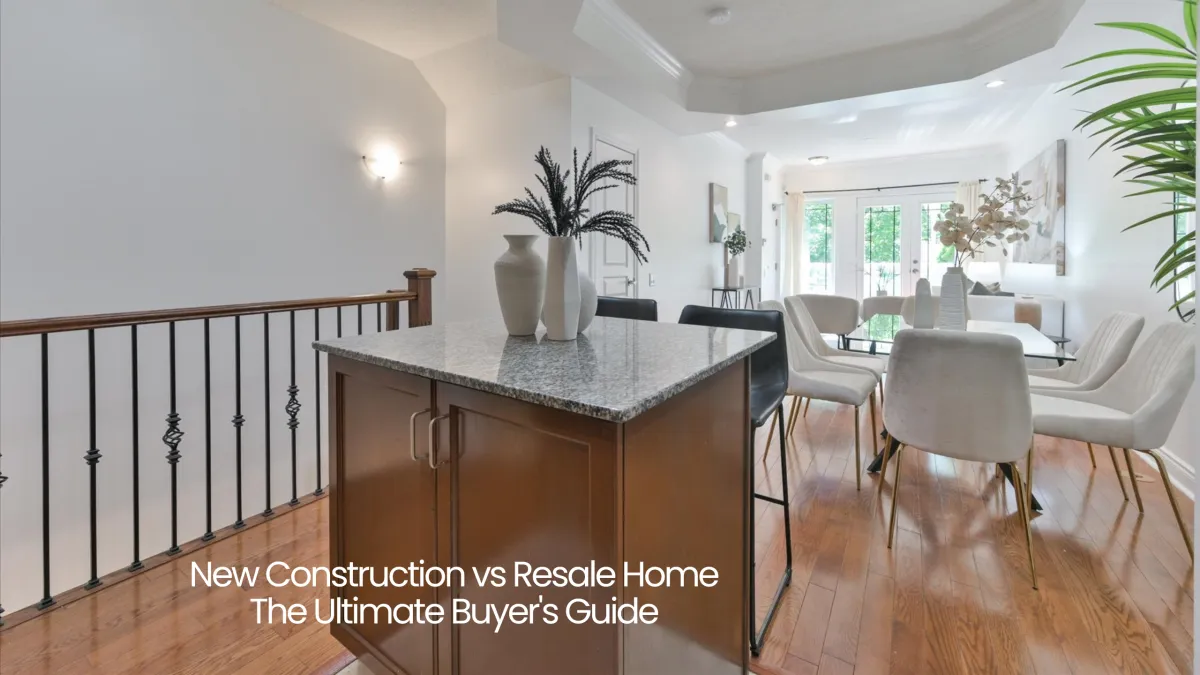
New Construction vs Resale Home: The Ultimate Buyer's Guide
Buying a home in Toronto can be exciting but also challenging, especially if you're a budget-conscious renter looking to purchase your first home or condo. One of the biggest decisions you’ll face is whether to go for a new construction home or a resale property. Here's a friendly guide to help you make an informed choice.
5 Reasons New Construction Homes are Worth the Investment
1. Modern Amenities
New construction homes often come with the latest in modern amenities. Think smart home technology, energy-efficient appliances, and open floor plans. These features may not be present in older homes.
2. Customization
When buying a new construction, you often have the freedom to choose finishes, colors, and even layout options to suit your taste. This can make your home feel uniquely yours from the start.
3. Lower Maintenance
New homes usually require less maintenance because everything is new. Plumbing, roofing, and electrical systems typically come with warranties, which can save you money on repairs.
4. Energy Efficiency
New homes are built to modern energy standards, making them more energy-efficient. This can result in lower utility bills, which is a big plus for budget-conscious buyers.
5. Appreciation Potential
New homes in growing areas often appreciate faster than older homes. This can be an excellent investment for future gains.
Hidden Costs of Buying a Resale Property You Might Not Know About
1. Renovation and Repairs
Resale properties often require some level of renovation or repairs. These costs can add up quickly, especially if significant updates are needed to make the home livable.
2. Higher Utility Bills
Older homes might not be as energy-efficient as new constructions, leading to higher utility bills. Over time, this can significantly affect your budget.
3. Unexpected Maintenance
Older homes may come with hidden issues that aren’t immediately obvious. Problems like outdated plumbing, faulty electrical wiring, or roof damage can require expensive fixes.
4. Property Taxes
In some areas, older homes can come with higher property taxes compared to new construction homes, depending on the assessment and local tax regulations.
5. Insurance Costs
Insurance premiums can be higher for older homes due to the increased risk of issues like outdated electrical systems and lack of modern safety features.
Why Location Plays a Big Role in Your Decision: New vs. Resale
1. Neighborhood Amenities
New constructions are often located in newly developed areas with modern amenities like parks, schools, and shopping centers. Resale properties might be situated in older, established neighborhoods with mature trees and closer community ties.
2. Commute Times
Consider the location relative to your work and other daily activities. New construction homes might be further out, affecting your commute time and transport costs.
3. Future Appreciation
The location of new construction homes can impact future appreciation. Areas with planned developments and future amenities often see higher property value increases.
4. Lifestyle Preferences
Think about your lifestyle and what you value most. Do you want to be close to the hustle and bustle of downtown Toronto, or do you prefer the quiet of newly developed suburbs?
5. Resale Value
An older home in a well-established neighborhood might have a higher resale value compared to a new construction in a newly developed area. Research local real estate trends and future developments to make an informed decision.
Step-by-Step: Evaluating the Quality of New Construction vs. Resale Homes
1. Inspect the Foundation
For both new and resale homes, a solid foundation is crucial. Look for signs of cracks or water damage, which can indicate bigger issues.
2. Check the Roof
Inspect the roof for wear and tear. New homes should have brand-new roofs, while older homes might need a roof replacement soon.
3. Assess Plumbing and Electrical Systems
Ensure that plumbing and electrical systems are up to code. New homes should have modern systems, while older homes might need updates.
4. Look for Energy-Efficiency Features
Check the insulation, windows, and HVAC systems. Energy-efficient homes can save you money in the long run.
5. Hire a Professional Inspector
Whether new or resale, always hire a professional home inspector to evaluate the property. Their expertise can help identify potential problems you might miss.
How to Negotiate the Best Deal Whether You Choose New Construction or Resale
1. Research Market Conditions
Understand the current real estate market in Toronto. Knowing whether it's a buyer’s or seller’s market can give you leverage in negotiations.
2. Know the Developer or Seller
For new constructions, investigate the reputation of the builder. For resale homes, learn as much as you can about the seller’s situation. Motivated sellers are more likely to negotiate.
3. Get Pre-Approved for a Mortgage
Having a mortgage pre-approval can make your offer more attractive to the seller or builder and gives you a clear understanding of your budget.
4. Negotiate Upgrades in New Construction
When buying a new construction, try to negotiate upgrades like better finishes or additional features. Builders are often willing to include these to close a sale.
5. Ask for Closing Costs Assistance
For both new and resale homes, ask if the seller or builder can cover part of the closing costs. This can save you a significant amount upfront.
6. Be Prepared to Walk Away
Sometimes the best negotiation tactic is being willing to walk away. If the deal doesn’t meet your needs, it’s better to keep looking than to settle.
Deciding between a new construction home and a resale property depends on your specific needs, budget, and lifestyle preferences. By considering these expert insights and actionable steps, you can make a well-informed decision that will lead to a happy and financially sound home purchase in Toronto.